CNC Machining Materials

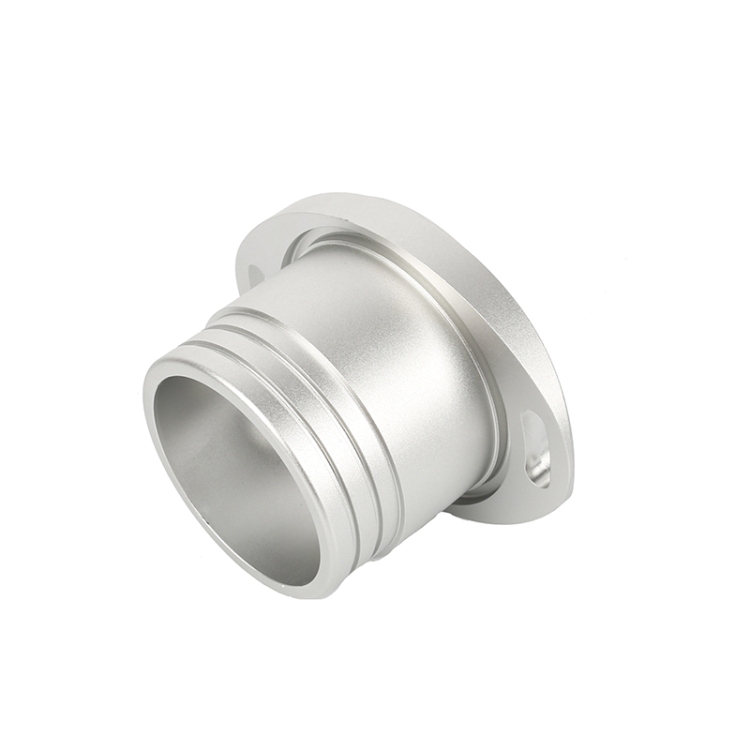
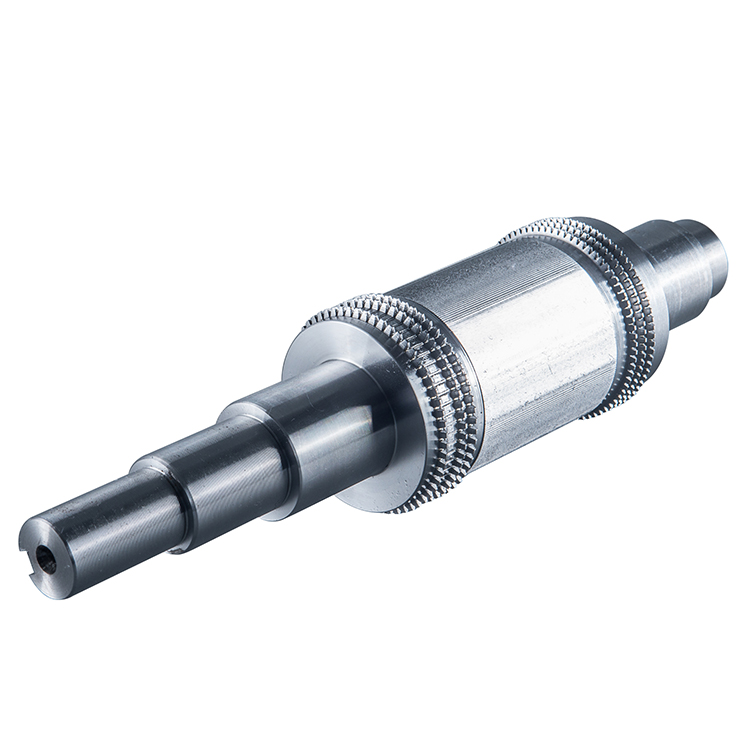
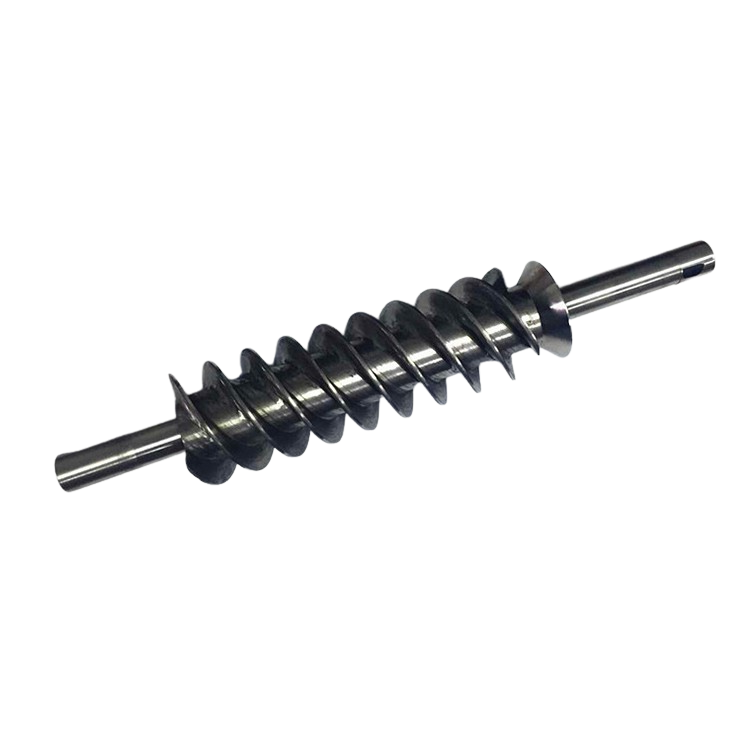
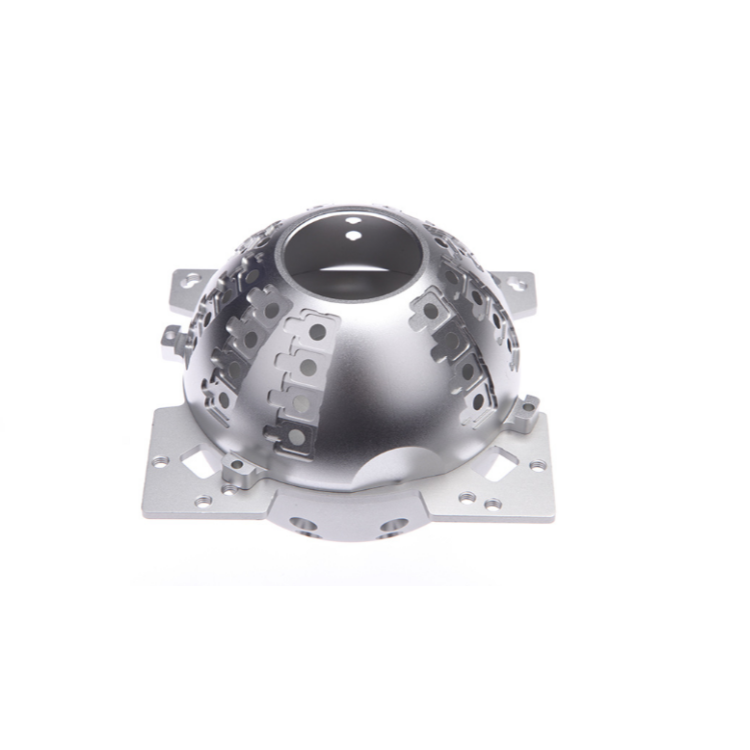
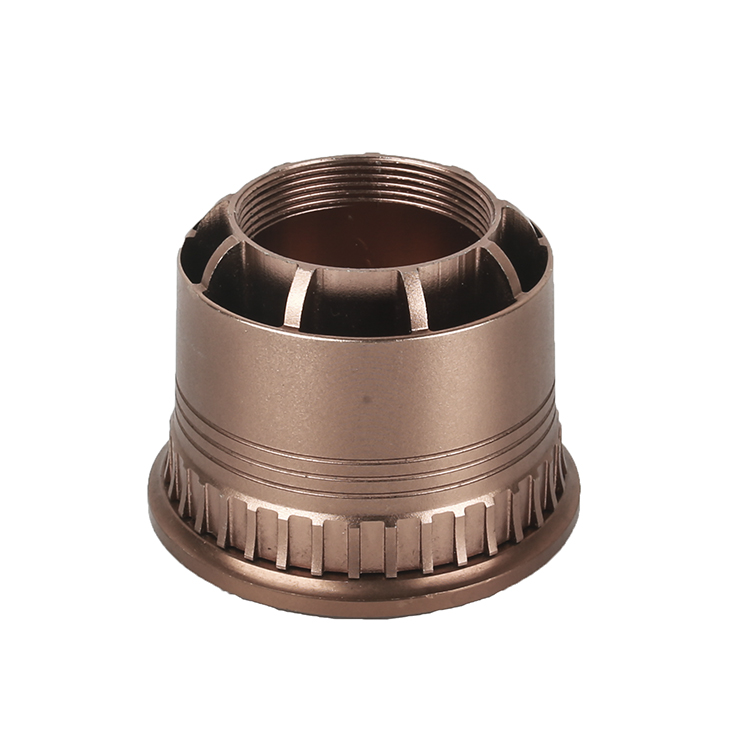
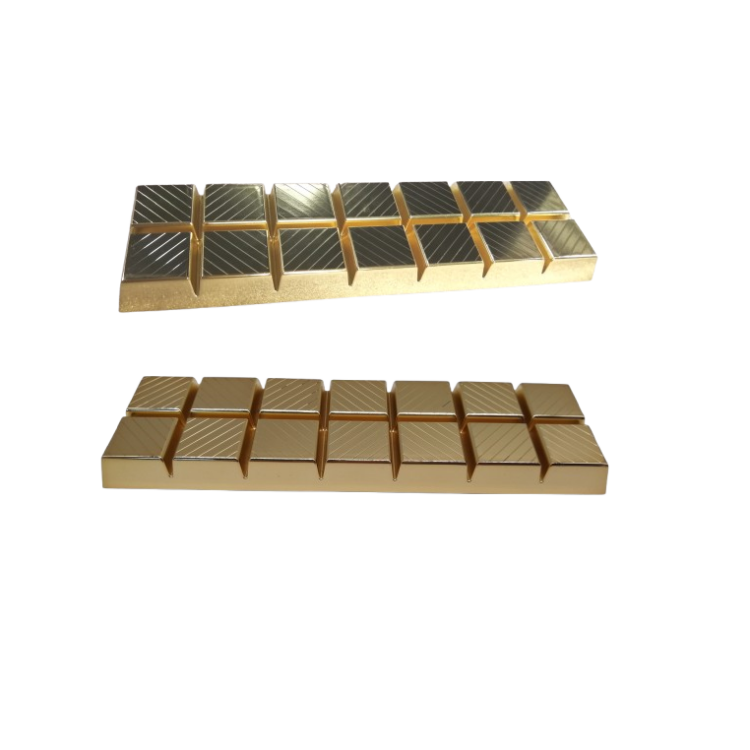
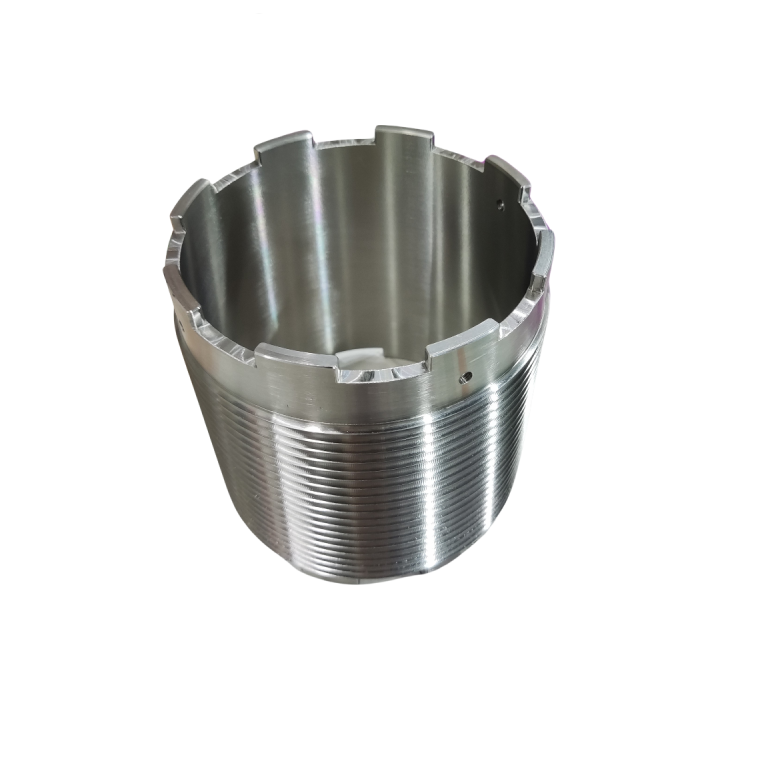
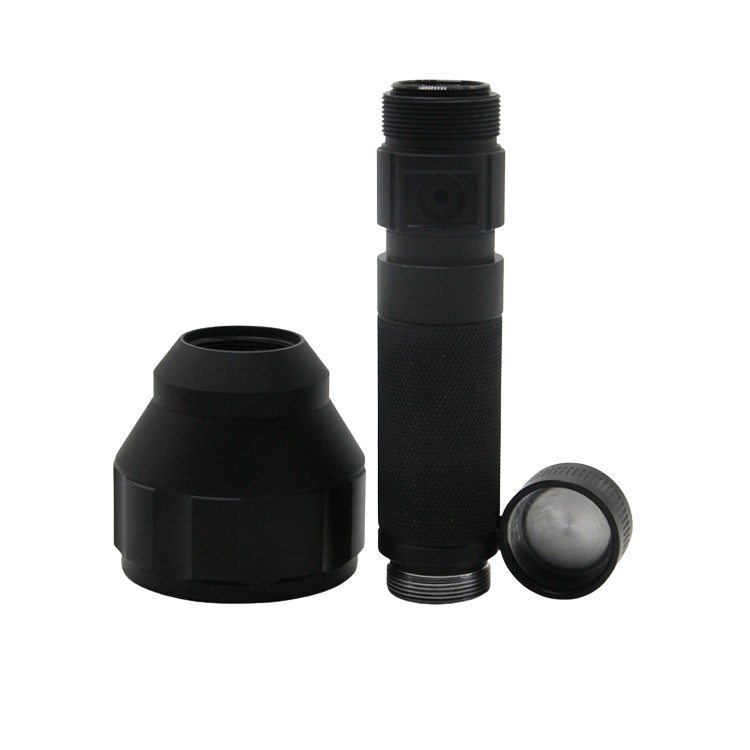
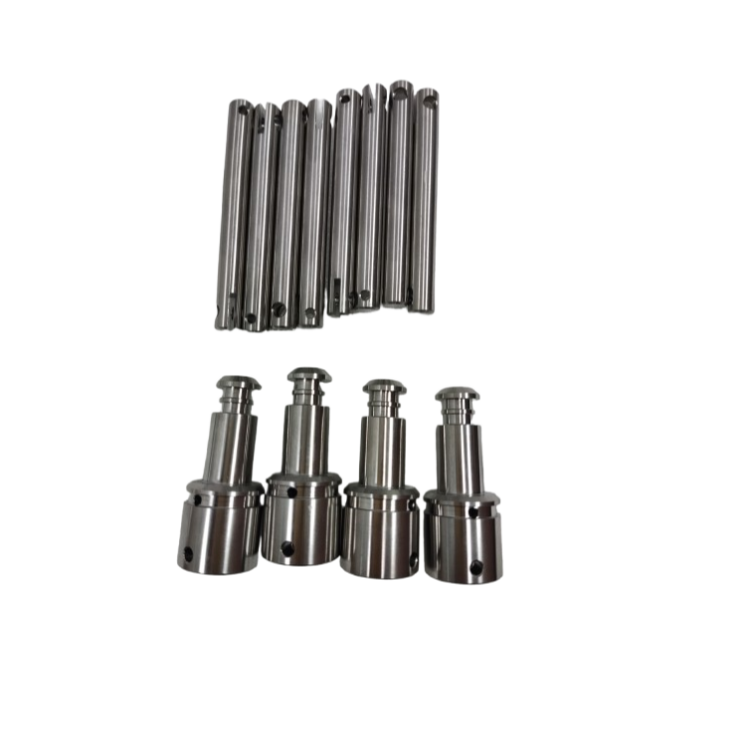
Stainless steel CNC Machining

Stainless steel has corrosion resistance, high temperature resistance, high strength, good toughness, easy to clean and other characteristics, beautiful appearance and long service life, widely used.

All your designs are secure and confidential

Stainless steel CNC Machining

The strength and hardness of stainless steel are high, and high hardness tools and appropriate cutting parameters are required for processing to ensure processing accuracy and tool life. Secondly, the toughness is large, the chip accumulation is easy to produce when cutting, affecting the surface quality, and the tool and cutting fluid need to be reasonably selected. In addition, the thermal conductivity is poor, the heat is easy to gather in the processing, and the effective cooling and lubrication are required. In addition, the work hardening phenomenon of stainless steel is obvious, which increases the difficulty of subsequent processing, but by optimizing the process can obtain good processing results and surface quality, Mastersdex engineers have rich experience in this work, processed products are widely used in various industrial fields.

Stainless steel CNC Machining 2

Common Sainless steel Subtypes For CNC Machining

Subtype Ultimate tensile strength Yield strength Young’s modulus
(modulus of elasticity)
Elongation at break Corrosion resistance Magnetism Weldability Application  
Stainless steel 304/304L 520-600 MPa 210-250 MPa 191-205 GPa 43~45 % Good Non-magnetic
Excellent Food handling and precessing equipment Food processing Architectural panelling Sanitary ware and troughs Tubing
 
Stainless steel 316/316L 480-600 MPa 170-230 MPa 190-205 GPa 38-55 % Excellent Non-magnetic Excellent Chemical and petrochemical industry Food processing Pharmaceuticalequipment Medical devices Potable water Wastewater treatment Marine applications
 
Stainless steel 301 510-590 MPa 200-230 MPa 200-212 GPa 35-46 % Excellent
Non-magnetic in annealed condition
Good Rail car structural components Air frame sections Automotive wheel covers Wiper blade clips and holders
 
Stainless steel 303
580-700 MPa 205-350 MPa 192-200 GPa 40-50% Moderate Non-magnetic Poor Aircraft applications including fittings Shafts and spindles Automatic screw machine applications Medical devices with screw threads Drilled or tapped holes Pump and valve parts Architecturalapplications Nuts and bolts
 
Stainless steel 416
440-580 MPa 275-345 MPa 200 GPa 7-25% Moderate
Magnetic Poor
Valves Pump & motor shafts Washing machine components Gears & bolts Nuts & studs Automatic screw-machined components
 
Stainless steel 420
485-750 MPa 275-380 MPa 190-205 GPa 15-20% Moderate
Magnetic Good Shear blades Needle valves Surgical equipment
 
Stainless steel 430
450-500 MPa 200-280 MPa 200GPa 20-24% Good Magnetic Good Low cost sinks Refrigerators Stove element supports Scientific apparatus Fasteners Flue linings
 

Stainless steel CNC Machining Surface Finishes from Mastersdex

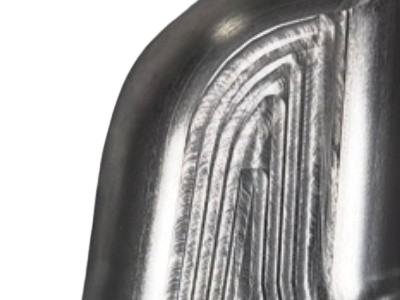
As_Machined-re

As Machined

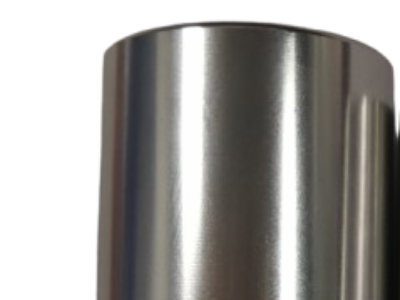
Diamond knife aluminum cnc turning

Diamond knife Machining

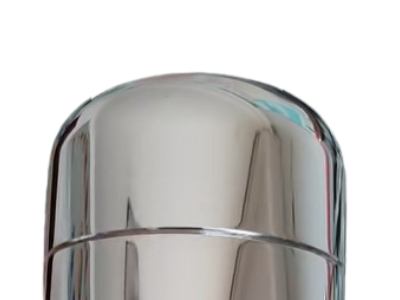
stainless steel polishing

Polishing

Sand_blast-re

Sand blast

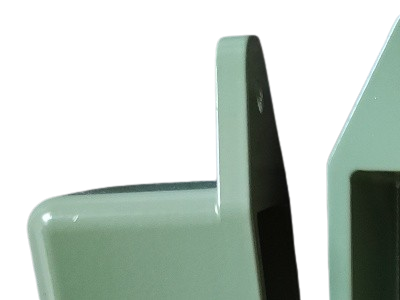
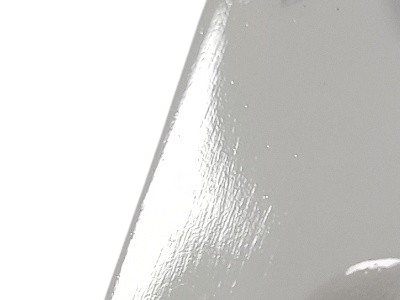
power coating

Power coating

Spray_paint-re

Spray paint

Electroplate-re

Electroplate

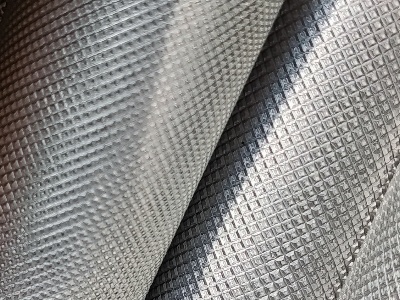
stainless steel knurling

Knurling

QPQ-re

QPQ

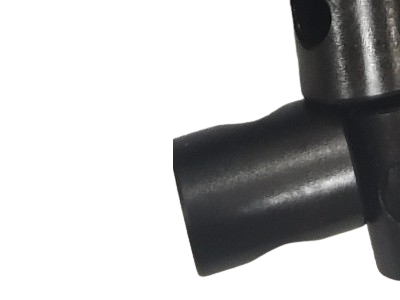
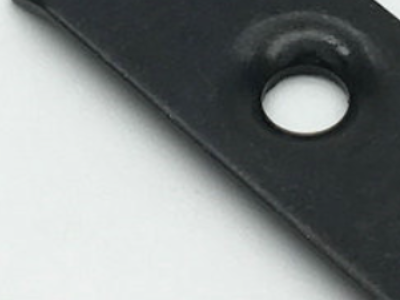
Oxide black

Oxide black

cof

Passivation

stainless steel brush

Brush

Electrophoresis-re

Electrophoresis

CNC Machining parts from Mastersdex

Cost-saving Design Tips

1.Design for manufacturing

The first tip to save cost when machining an aluminum alloy part is to follow design-for-manufacturing principles to limit difficult-to-machine features, such as setup numbers, inspection dimensions, tight tolerances, and deep pockets with small radii.In addition, the size is as small as possible, and the overall size is preferred to be an integer

2.Choose the right alloy

Using the most innovative and pricey alloy might not be needed if the part is just a prototype. 6061 T6 aluminum is a good choice.

Powder Coating Process

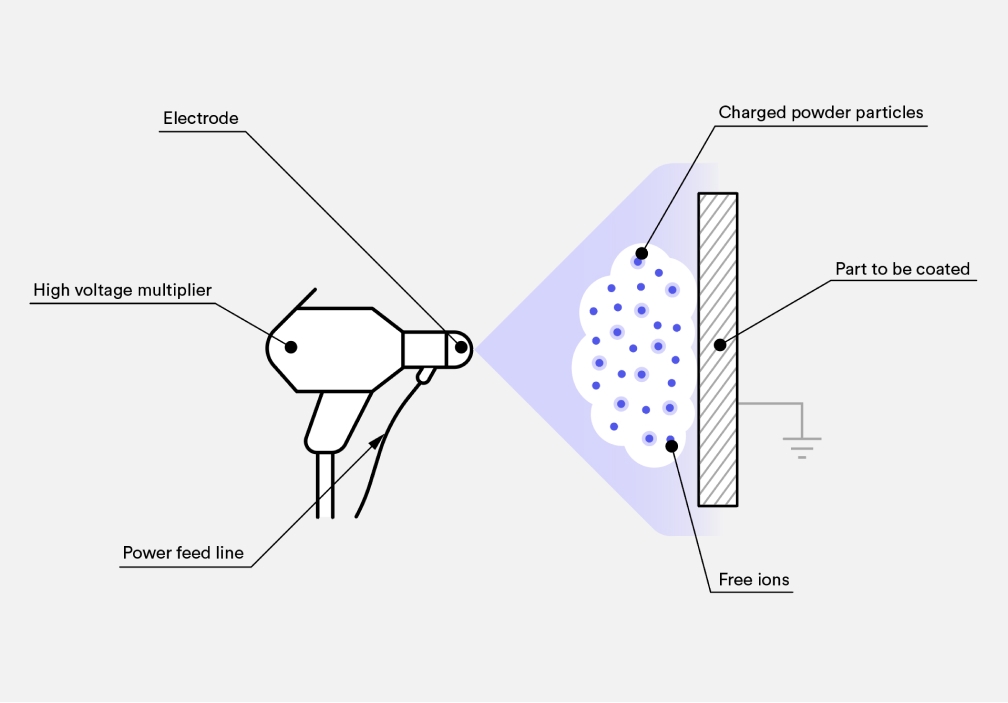
Powder finish is a strong, wear-resistant surface finish that is compatible with all steel products. Here’s how to apply powder coating:
1)Clean parts to remove inorganic contaminants
2)To enhance performance and quality, pretreat parts with a conversion coating
3)Rinse and dry parts in an oven
4)Mask critical areas to prevent tolerance issues
5)Coat parts with an electrostatic spray gun
6)Dry parts in an oven to cure the coating

right3

FAQs

The two primary CNC machining processes are CNC turning and CNC milling. Other machining processes include drilling, gear hobbing and electrical discharge machining,grinding among others.

Parts machined with metal will follow ISO 2768-m (medium) or ISO 2768-f (fine). Parts machined with plastics will follow 2768-m (medium). Geometric tolerances down to ± 0.001mm are possible but must be clearly indicated in technical drawings. We can achieve tighter tolerances on shafts with up to H7 fits with manual quoting and on occasion tighter.

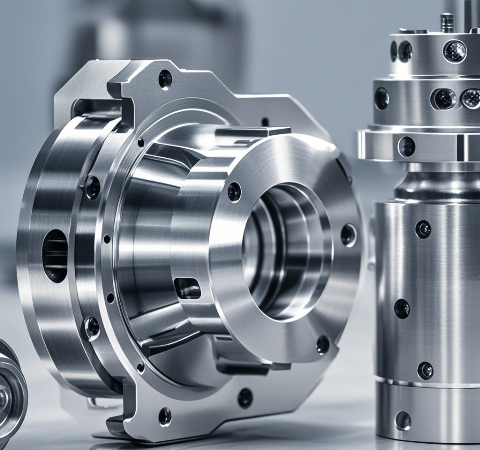
We offer CNC milling (3-axis, 3+2-axis and 5-axis) and turning. Milled parts can be machined up to 2000 x 1500 x 300 mm for 3, 3+2 axis CNC milling. For 5-axis milling, the maximum part size is 650 x 650 x 300 mm. The maximum diameter for CNC turning is 431mm, length 990 mm. Minimum part dimensions recommended are around 2 x 2 x 2mm.The minimum for feature dimensions is 0.5 mm.
Deburing and edge breaking are standard procedures for all CNC machined parts. lf there are any critical edges that should be left sharp, they must be clearly indicated in technical drawings. Surfaces will be free of defects such as scratches, dents, stains, blemishes, hanging marks, minor defects. Surfaces indicated ascritical (primary (a) side, as indicated on the technical drawing) will be free of mill steps and other marks. For the secondary (b) side, minor hanging marks and up to 2 minor defects are acceptable. A number of post-processing and finishing methods can be applied to improve the surface roug hness, visual properties andwear resistance of machined parts.
We offer UNF, UNC, and metric threads for machining along with coil and key inserts. These are available on both milled or turned CNC parts.

Let's get your projects start together.