| Subtype | Ultimate tensile strength | Yield strength | Young’s modulus (modulus of elasticity) |
Elongation at break | Corrosion resistance | Magnetism | Weldability | Application | |
| Stainless steel 304/304L | 520-600 MPa | 210-250 MPa | 191-205 GPa | 43~45 % | Good | Non-magnetic |
Excellent | Food handling and precessing equipment Food processing Architectural panelling Sanitary ware and troughs Tubing |
|
| Stainless steel 316/316L | 480-600 MPa | 170-230 MPa | 190-205 GPa | 38-55 % | Excellent | Non-magnetic | Excellent | Chemical and petrochemical industry Food processing Pharmaceuticalequipment Medical devices Potable water Wastewater treatment Marine applications |
|
| Stainless steel 301 | 510-590 MPa | 200-230 MPa | 200-212 GPa | 35-46 % | Excellent |
Non-magnetic in annealed condition |
Good | Rail car structural components Air frame sections Automotive wheel covers Wiper blade clips and holders |
|
| Stainless steel 303 |
580-700 MPa | 205-350 MPa | 192-200 GPa | 40-50% | Moderate | Non-magnetic | Poor | Aircraft applications including fittings Shafts and spindles Automatic screw machine applications Medical devices with screw threads Drilled or tapped holes Pump and valve parts Architecturalapplications Nuts and bolts |
|
| Stainless steel 416 |
440-580 MPa | 275-345 MPa | 200 GPa | 7-25% | Moderate |
Magnetic | Poor |
Valves Pump & motor shafts Washing machine components Gears & bolts Nuts & studs Automatic screw-machined components |
|
| Stainless steel 420 |
485-750 MPa | 275-380 MPa | 190-205 GPa | 15-20% | Moderate |
Magnetic | Good | Shear blades Needle valves Surgical equipment |
|
| Stainless steel 430 |
450-500 MPa | 200-280 MPa | 200GPa | 20-24% | Good | Magnetic | Good | Low cost sinks Refrigerators Stove element supports Scientific apparatus Fasteners Flue linings |
1.Design for manufacturing
The first tip to save cost when machining an aluminum alloy part is to follow design-for-manufacturing principles to limit difficult-to-machine features, such as setup numbers, inspection dimensions, tight tolerances, and deep pockets with small radii.In addition, the size is as small as possible, and the overall size is preferred to be an integer
2.Choose the right alloy
Using the most innovative and pricey alloy might not be needed if the part is just a prototype. 6061 T6 aluminum is a good choice.
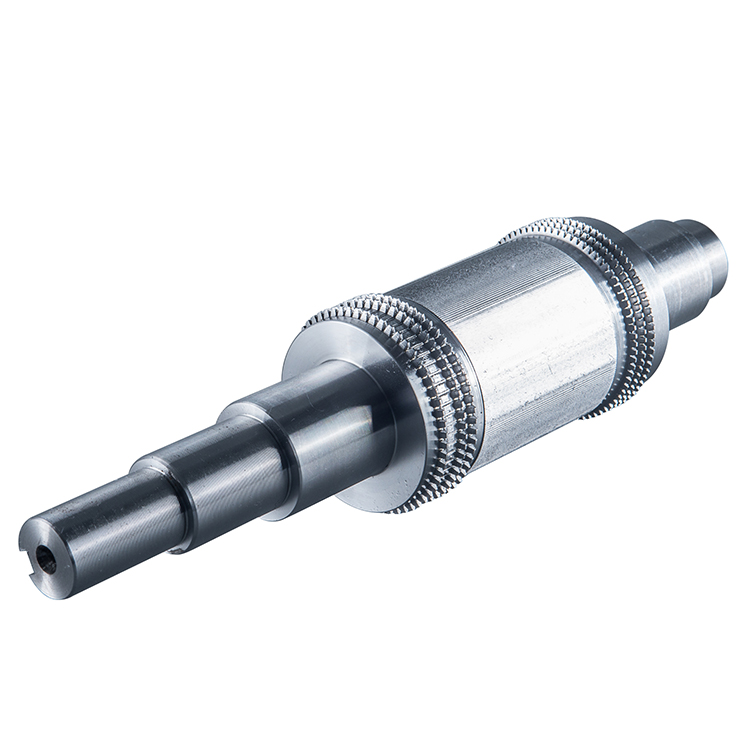
Parts machined with metal will follow ISO 2768-m (medium) or ISO 2768-f (fine). Parts machined with plastics will follow 2768-m (medium). Geometric tolerances down to ± 0.001mm are possible but must be clearly indicated in technical drawings. We can achieve tighter tolerances on shafts with up to H7 fits with manual quoting and on occasion tighter.