CNC Turning Milling combination Services

A reliable CNC machining service factory.
Tight tolerance up to 0.005 mm
Milled parts as fast as 1 day
3, 4, 5 axis milling

All your designs are secure and confidential

What is CNC turning milling combination?

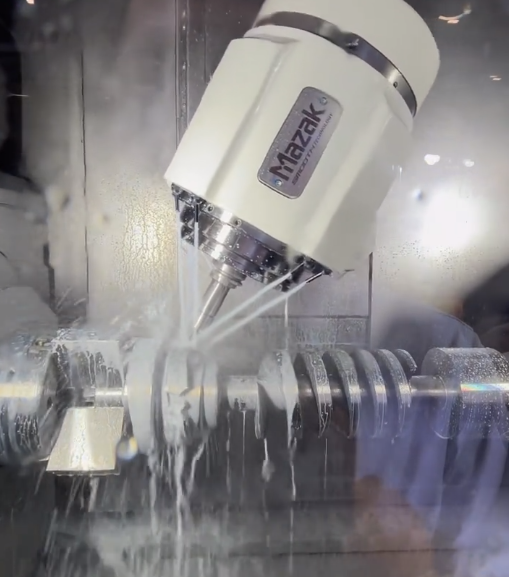
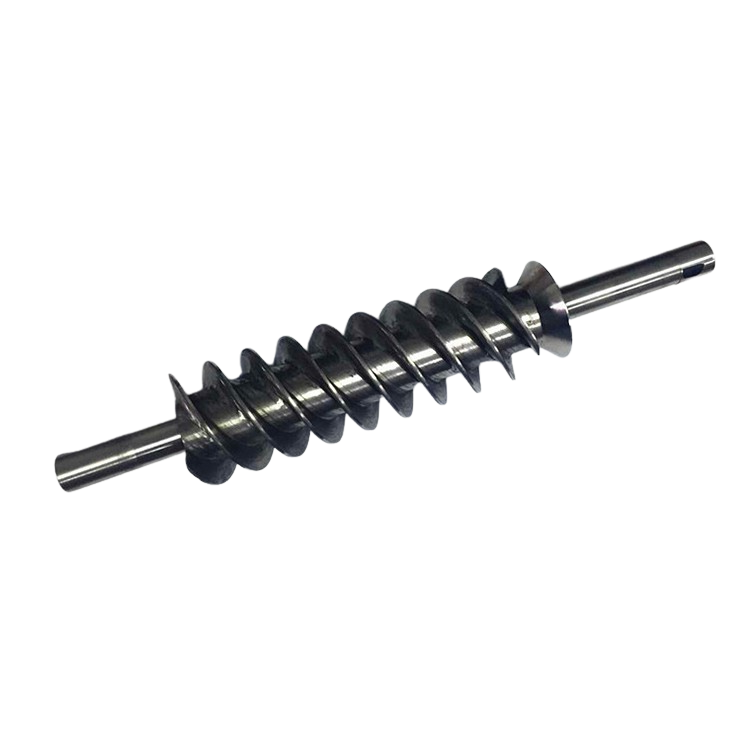
CNC turning milling complex machine tool is a highly integrated advanced processing equipment.
In terms of function, it combines two processing methods: turning and milling. Turning can accurately process the outer circle, inner hole and thread of the rotary body, while milling can deal with plane, surface, keyway and other features. This enables it to complete a variety of machining processes for complex parts in a single clamping.
Structurally, it is equipped with an advanced tool library, with enough space to store various types of tools, and with power tools to provide power for milling and other processing. The spindle system is flexible and changeable, and in addition to being a power source for turning, it can also be used for rotary positioning during milling.
Under the control of numerical control system, each axis can be accurately linked to achieve complex machining trajectories. This machine greatly reduces the number of clamping in the process of parts processing, and effectively improves the processing accuracy and production efficiency.
Mastersdex offers more advanced CNC turning milling services,used in many fields such as aerospace, precision machinery manufacturing, and is used to manufacture parts with complex shapes and high precision requirements.

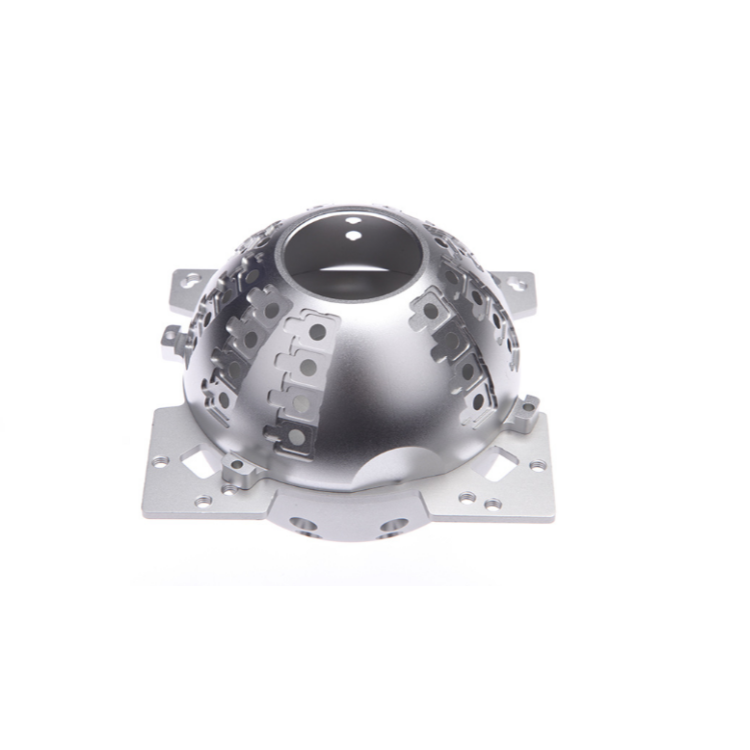
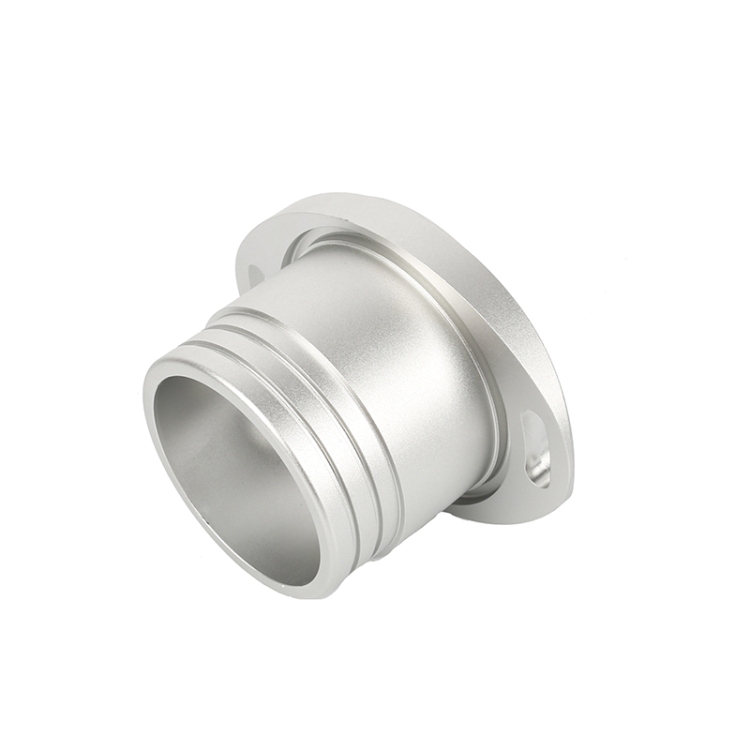
CNC turn-milling machining 2
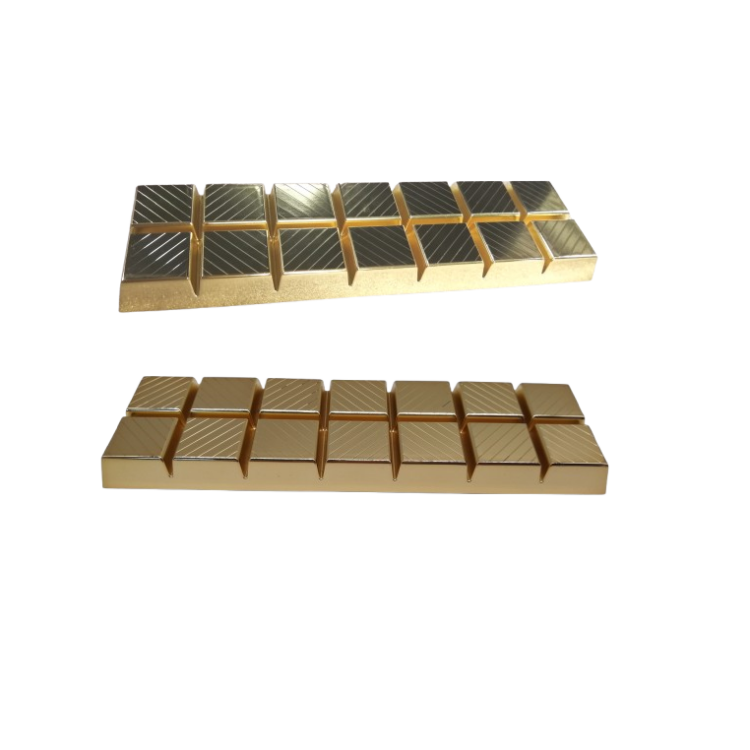
CNC turn-milling combines steel material

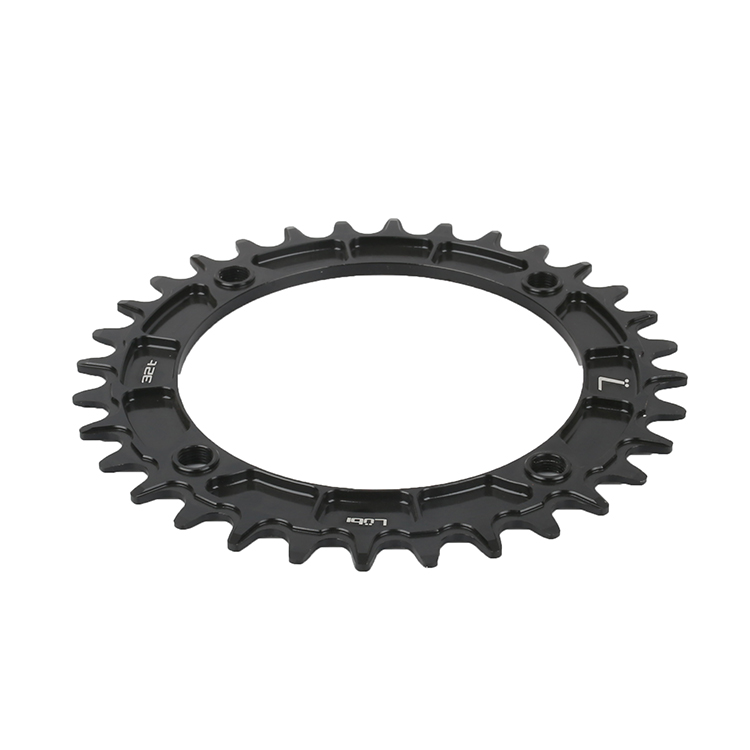
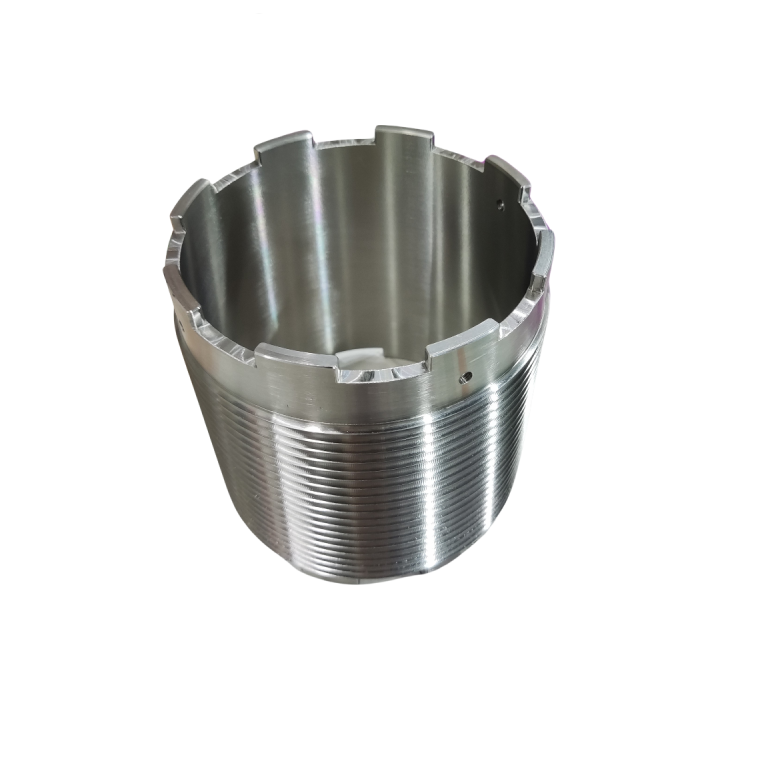
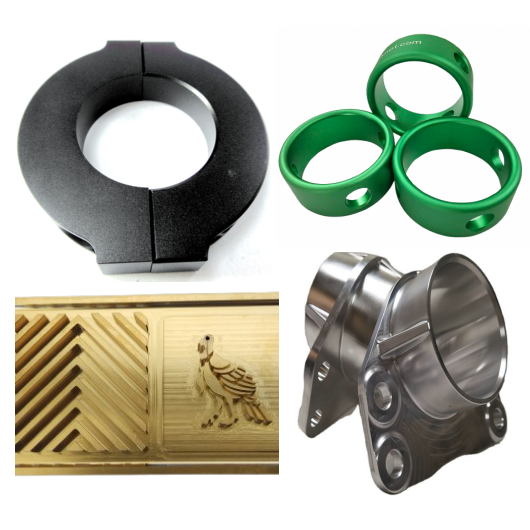
Precision CNC Machining products from Mastersdex

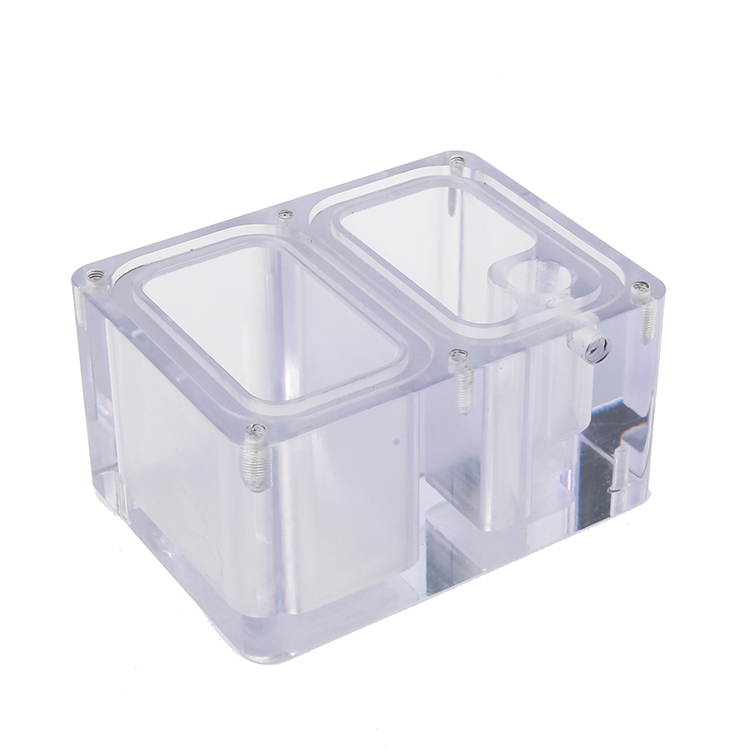
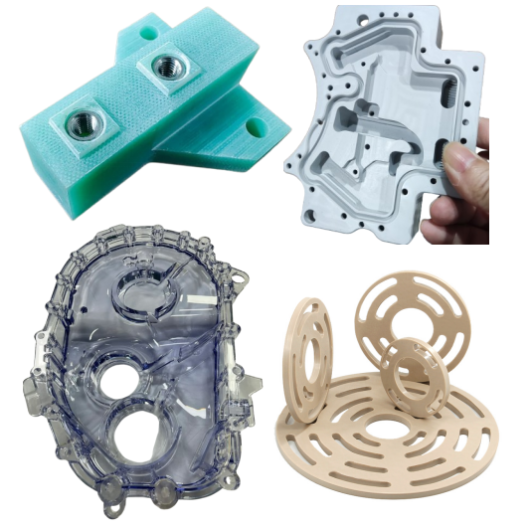
Precision CNC milling metals and plastics from Mastersdex

CNC Milling Metals

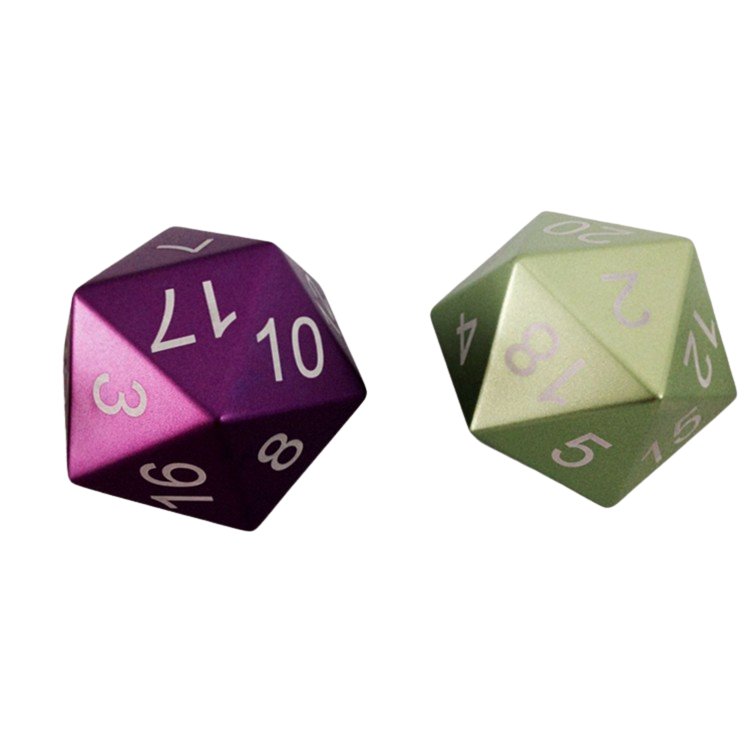
Mastersdex can CNC milling more than 80+ metals material,such as aluminum,brass,carbon steel, alloy steel, stainless steel, tool steel, and many others. There are more than 20+ surface treatments like anodizing, heat treatment, power coating and many others.
Browse all CNC milling metal materials

CNC Milling Plastics

Mastersdex can CNC milling more than 20+ plastic material,such as ABS,POM,PMM,PEEK, and many others. The surface of the product is free from burr, lack of materials and other defects
Browse all CNC milling plastic materials

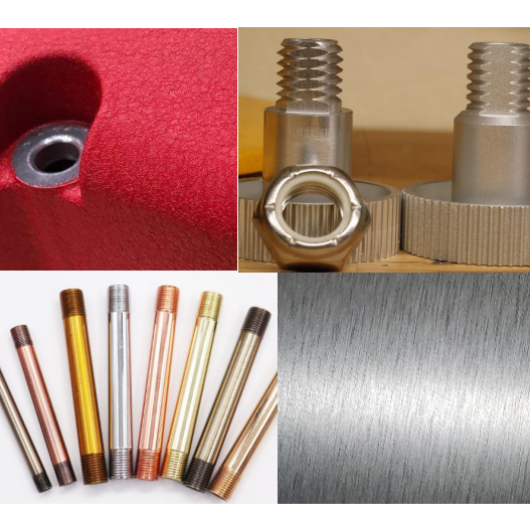
CNC Machining Surface treatments

Mastersdex provides precision CNC milling services and surface treatments to enhance your component’s performance by improving roughness, hardness, chemical resistance, and aesthetics. Mastersdex is your one-stop machining solution provider for your custom parts.

Browse all CNC milling surface finishes

CNC milling surface treatment

Precision CNC Milling Tolerance

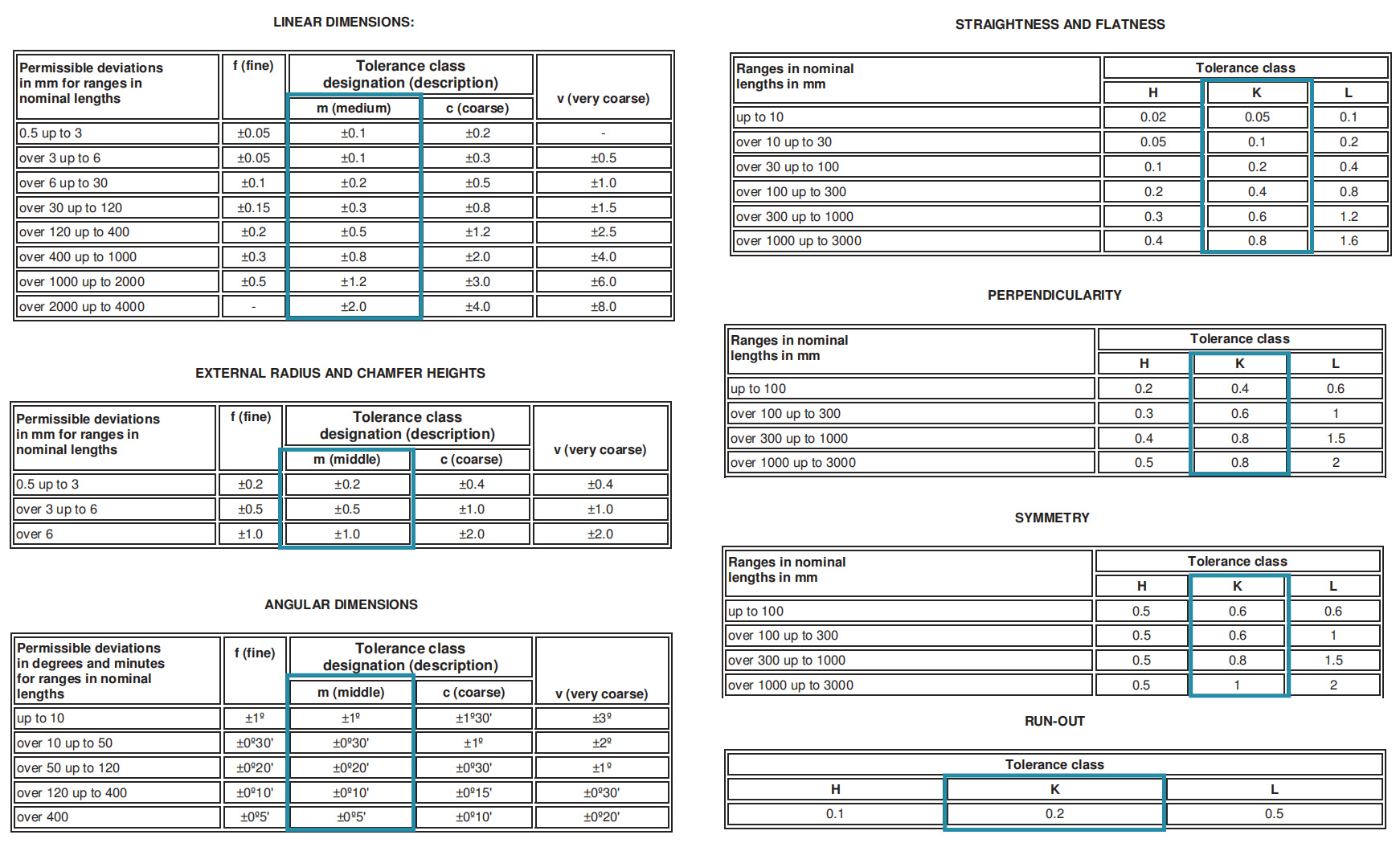
We strictly produce parts according to the tolerances indicated on the customer’s 2D drawings, and the tight tolerance can be up to 0.005mm. Without specific instructions, please trust Mastersdex, we follow the DIN ISO 2768 tolerance standards both for turning metals and plastics.

Tolerance

CNC Milling Design Guidelines

Inspect the recommended and practically feasible guidelines for the most common features encountered in CNC machined parts.

Learn more in our design guide for CNC machining

Feature

Recommended Size

Feasible Size

Min. feature size

Ø 2 mm

Ø 0.50 mm

Internal edges

R 5 mm

R 0.25 mm

Minimum wall thickness

0.8 mm (for metals) 1.5 mm (for plastics)

0.5 mm (for metals) 0.8 mm (for plastics)

Holes

Diameter: standard drill bit sizes Depth: 4 x diameter

Diameter: Ø 0.5 Depth: 10 x diameter

Threads

Size: M6 or larger Length: 3 x diameter

Size: M2

CNC Milling FAQs

The two primary CNC machining processes are CNC turning and CNC milling. Other machining processes include drilling, gear hobbing and electrical discharge machining,grinding among others.
Parts machined with metal will follow ISO 2768-m (medium) or ISO 2768-f (fine). Parts machined with plastics will follow 2768-m (medium). Geometric tolerances down to ± 0.001mm are possible but must be clearly indicated in technical drawings. We can achieve tighter tolerances on shafts with up to H7 fits with manual quoting and on occasion tighter.
We offer CNC milling (3-axis, 3+2-axis and 5-axis) and turning. Milled parts can be machined up to 2000 x 1500 x 300 mm for 3, 3+2 axis CNC milling. For 5-axis milling, the maximum part size is 650 x 650 x 300 mm. The maximum diameter for CNC turning is 431mm, length 990 mm. Minimum part dimensions recommended are around 2 x 2 x 2mm.The minimum for feature dimensions is 0.5 mm.
Deburing and edge breaking are standard procedures for all CNC machined parts. lf there are any critical edges that should be left sharp, they must be clearly indicated in technical drawings. Surfaces will be free of defects such as scratches, dents, stains, blemishes, hanging marks, minor defects. Surfaces indicated ascritical (primary (a) side, as indicated on the technical drawing) will be free of mill steps and other marks. For the secondary (b) side, minor hanging marks and up to 2 minor defects are acceptable. A number of post-processing and finishing methods can be applied to improve the surface roug hness, visual properties andwear resistance of machined parts.
We offer UNF, UNC, and metric threads for machining along with coil and key inserts. These are available on both milled or turned CNC parts.

Mastersdex caters to both one-off prototype and large-scale production runs. Thus, there is typically no strict MOQ. Whether you need a single part or thousands, Mastersdex aims to provide a solution.

Lead times can vary based on the complexity of the design, the chosen material, and the current workload. However, one of the advantages of CNC machining is its speed, especially for simpler parts. Once the setup is complete, machining times can be relatively quick. Parts machined as fast as 1 day! But for an accurate estimate, it’s best to request for quotes directly.
The main costs associated with CNC machining can be grouped into machining time, start-up costs,material costs, and feature costs. To reduce costs you need to understand the impact of these factors on cost. The best way to reduce machining time is to design features that can be machined quickly, for example by choosing the correct radii for internal corners, reducing cavity depth, increasing wall thicknesses, limiting thread length and designing holes with standard sizes. Material costs can be reduced by considering the size of the blank required, and the cost and machinability of the bulk material (softer alloys are faster to machine). Start-up costs can be reduced by reducing the number part rotations or repositioning required to finish thepart, for example by separating geometries into multiple parts that can be assembled later. Feature costs can be reduced by only usina tolerances when strictly necessary, removing all text & lettering and avoiding multiple surface finishes.
Product designers and engineers choose CNC machining to rapidly produce prototypes and production parts. The manufacturing technology offers a high level of precision, engineering-grade materials, quick-turn lead times.
Industries that use CNC machining include aerospace, automotive parts manufacturing, medical machine manufacturing, transportation, defense, and marine industries, along with oil and gas industries and electronics. CNC machining has allowed these industries to become more efficient at mass-producing custom CNC parts.

Let's get your projects started, together.